
If you are missing one or more teeth, you may be wondering about the cost of dental implants and whether they are worth the investment. Dental implants are widely considered one of the most reliable and long-lasting solutions for tooth replacement. They restore both the appearance and function of your smile while supporting your long-term oral health.
For patients in Scarsdale, understanding what influences the price of dental implants can help you make an informed decision. Several factors determine the total cost of treatment, including the number of teeth being replaced, the complexity of the procedure, and whether additional treatments are required before implant placement.
What Are Dental Implants?
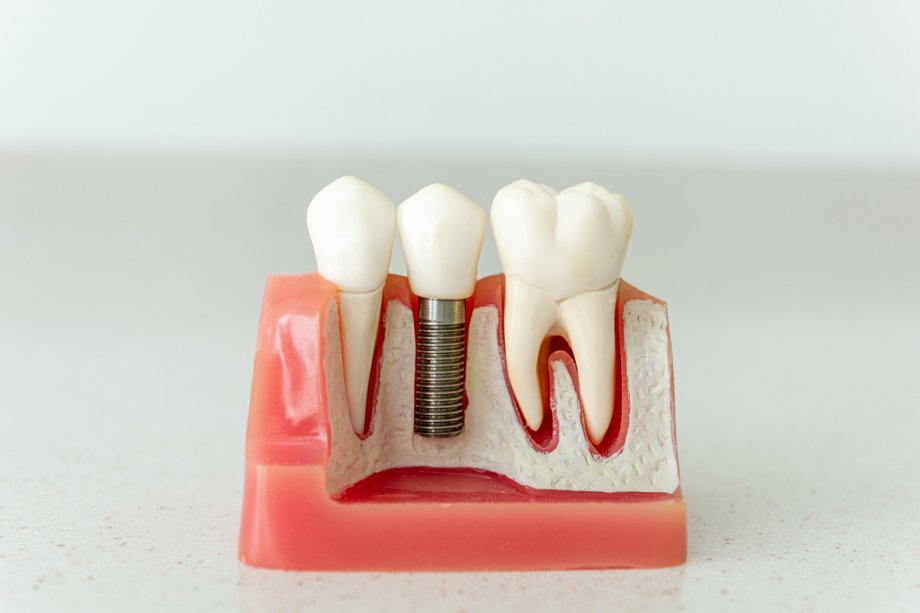
Dental implants are small titanium posts that are surgically placed into the jawbone to replace the root of a missing tooth. Once the implant integrates with the bone, a dental crown, bridge, or denture is attached to restore the visible portion of the tooth.
This design makes dental implants one of the most stable and natural-feeling tooth replacement options available. Because the implant fuses with the jawbone, it provides support that closely mimics the function of natural teeth.
Patients who want a durable and natural-looking solution often explore dental implants as a long-term investment in their oral health.
Average Cost of Dental Implants
The cost of dental implants can vary depending on several individual factors. In general, a single dental implant can range from approximately $3,000 to $5,000 or more. This price may include the implant post, the abutment that connects the implant to the crown, and the final crown itself.
However, the total cost may differ from patient to patient. Some individuals require additional procedures before implant placement, such as bone grafting or tooth extraction. These treatments help ensure the jawbone is strong enough to support the implant.
While the upfront cost may appear higher than other tooth replacement options, dental implants are designed to last for many years. Their longevity often makes them a cost-effective choice over time.
Factors That Affect the Cost of Dental Implants
Several elements influence the overall price of dental implant treatment. Understanding these factors can help you better estimate what your procedure may cost.
- Number of Implants Needed. Patients missing a single tooth typically need only one implant and crown. Those missing multiple teeth may require several implants or an implant-supported bridge or denture.
- Preparatory Procedures. Some patients need additional treatments before implant placement. Bone grafting, sinus lifts, or extractions may be necessary to create a stable foundation for the implant.
- Type of Restoration. The restoration attached to the implant also affects cost. A single crown is different from a full arch restoration supported by multiple implants.
- Technology and Materials. High-quality materials and advanced imaging technology are often used during implant planning and placement. These tools improve precision and long-term success.
- Experience of the Dental Provider. Working with an experienced dental team helps ensure proper planning and successful outcomes. Expertise and advanced training can also influence treatment costs.
Why Dental Implants Are Worth the Investment
Although dental implants may cost more upfront than options such as dentures or dental bridges, they provide significant long-term benefits. One of the biggest advantages is durability. With proper care, implants can last for decades.
Dental implants also help protect your jawbone. When a tooth is missing, the jawbone beneath it can begin to shrink due to lack of stimulation. Implants stimulate the bone just like natural tooth roots, helping preserve facial structure and bone density.
Another benefit is improved comfort and stability. Because implants are anchored in the jawbone, they do not shift or slip when speaking or eating. Many patients find that implants feel and function much like their natural teeth.
Comparing Dental Implants to Other Tooth Replacement Options
Patients often compare dental implants to dentures or dental bridges when considering tooth replacement. Each option has its advantages, but implants provide several unique benefits.
Dentures are removable appliances that replace multiple missing teeth. While they are often less expensive initially, they may require adjustments or replacements over time. Dentures also do not prevent bone loss in the jaw.
Dental bridges replace missing teeth by attaching an artificial tooth to neighboring teeth. This option can restore function, but it requires reshaping healthy teeth to support the bridge.
Dental implants stand apart because they replace the entire tooth structure, including the root. This approach supports jaw health and does not rely on adjacent teeth for stability.
What to Expect During the Dental Implant Process
The dental implant process typically involves several stages, each designed to ensure long-term success.
The first step is a comprehensive consultation and evaluation. During this visit, the dentist will examine your teeth, gums, and jawbone using advanced imaging technology. This helps determine whether you are a good candidate for dental implants.
Next, the implant is surgically placed into the jawbone. Over the following months, the implant gradually fuses with the bone in a process called osseointegration. Once healing is complete, the abutment and crown are attached to complete the restoration.
Although the process may take several months from start to finish, the result is a strong, natural-looking tooth replacement that can last for many years.
Financing Options for Dental Implants
Many dental practices understand that the cost of dental implants is a significant investment for patients. As a result, they often offer financing options or payment plans to help make treatment more accessible.
Some dental insurance plans may also contribute to certain portions of the treatment, such as the crown or preparatory procedures. It is always helpful to review your insurance coverage and speak with your dental office about available payment options.
Flexible payment plans allow patients to spread the cost over time, making it easier to move forward with treatment without delaying necessary care.
Restoring Your Smile with Dental Implants
Missing teeth can affect your confidence, oral health, and overall quality of life. Dental implants provide a reliable and long-lasting solution that restores both function and appearance.
By replacing the full structure of a tooth, implants help protect your jawbone, maintain facial shape, and allow you to enjoy your favorite foods again. For many patients, they represent one of the best investments they can make in their smile.
If you are considering tooth replacement, scheduling a consultation can help you learn more about whether dental implants are the right choice for your needs.
Frequently Asked Questions About Dental Implants
Are dental implants painful?
Most patients report minimal discomfort during the dental implant procedure. Local anesthesia is used to keep you comfortable, and mild soreness afterward can usually be managed with over-the-counter medication.
How long do dental implants last?
With proper care and regular dental visits, dental implants can last decades. Maintaining good oral hygiene and avoiding habits like smoking can help extend their lifespan.
At Scarsdale Dental Group, we are committed to helping our patients restore their smiles with advanced, personalized dental care. Our team provides comprehensive restorative treatments designed to improve both oral health and confidence. If you are considering dental implants or exploring your tooth replacement options, we are here to help guide you through every step of the process. Contact us today to schedule a consultation.