
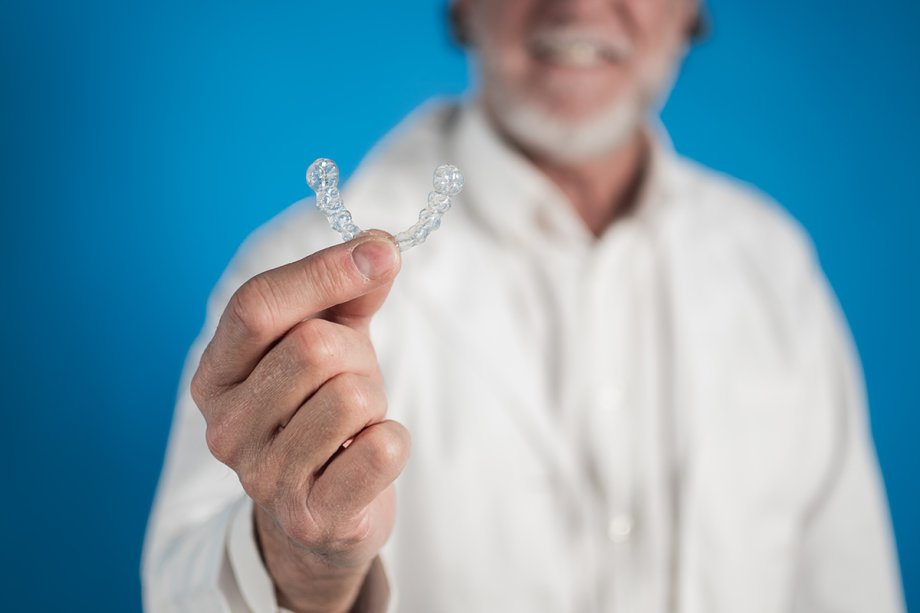
If you are considering orthodontic treatment to improve your smile, you may be wondering whether Invisalign or traditional braces are the better choice. Both options can effectively straighten teeth, correct bite issues, and enhance your overall oral health. However, the right treatment depends on your specific dental needs, lifestyle, and personal preferences.
At Scarsdale Dental Group, patients often ask which orthodontic solution will deliver the best results with the most comfort and convenience. Understanding how Invisalign compares to traditional braces can help you make an informed decision about your smile.
Understanding How Invisalign Works
Invisalign is a modern orthodontic treatment that uses a series of clear, removable aligners to gradually shift teeth into proper alignment. Each aligner is custom-made to fit your teeth and designed to apply gentle pressure that moves them little by little over time.
Unlike traditional braces, Invisalign aligners are made of transparent plastic, making them far less noticeable. Many patients appreciate that the aligners can be removed when eating, brushing, and flossing, which helps maintain good oral hygiene throughout treatment.
Another advantage of Invisalign is the predictable treatment planning process. Digital imaging technology allows dentists to map out your entire treatment plan from start to finish. This technology helps ensure that each aligner stage moves your teeth precisely according to the plan.
For patients interested in a discreet orthodontic solution, learning more about Invisalign can be an excellent first step toward achieving a straighter smile.
How Traditional Braces Straighten Teeth
Traditional braces have been used for decades and remain one of the most effective orthodontic treatments available. Braces consist of metal brackets that are attached to each tooth and connected by wires and small elastic bands.
The wires apply consistent pressure to guide teeth into proper alignment. During regular adjustment appointments, the dentist tightens or replaces the wires to continue guiding the teeth into their ideal positions.
One major advantage of braces is their ability to treat complex orthodontic issues. Severe crowding, major bite misalignment, and significant tooth rotation may respond better to traditional braces than to clear aligners.
However, braces are fixed to the teeth and cannot be removed until treatment is complete. This means patients must take extra care when brushing, flossing, and choosing foods to avoid damaging the brackets or wires.
Invisalign vs. Braces: Key Differences to Consider
Both Invisalign and traditional braces are designed to achieve the same goal: properly aligned teeth and a healthier smile. The differences between them often come down to appearance, convenience, and treatment needs.
- Appearance. One of the most noticeable differences is how visible the treatment is. Invisalign aligners are clear and difficult for others to see, which makes them popular among adults and teens who prefer a more discreet option. Traditional braces, on the other hand, are more visible due to metal brackets and wires.
- Comfort. Many patients find Invisalign aligners more comfortable because they are smooth and custom fitted. Braces can sometimes cause irritation to the cheeks or lips, particularly after adjustments.
- Removability. Invisalign aligners can be removed when eating or cleaning your teeth. This makes daily oral hygiene easier and allows you to enjoy your normal diet. Braces remain fixed in place, so patients must avoid certain foods such as sticky candy, popcorn, and hard snacks.
- Treatment Complexity. For mild to moderate alignment issues, Invisalign is often highly effective. However, complex orthodontic cases may benefit from traditional braces because they provide greater control over tooth movement.
- Commitment and Discipline. Because Invisalign aligners are removable, patients must be disciplined about wearing them for the recommended 20 to 22 hours per day. Braces eliminate this concern because they remain on the teeth at all times.
Who Is a Good Candidate for Invisalign?
Many patients in Scarsdale choose Invisalign because of its convenience and discreet appearance. It is particularly popular among adults and older teens who want orthodontic treatment without drawing attention to their teeth.
You may be a good candidate for Invisalign if you have mild to moderate crowding, small gaps between teeth, or minor bite issues. Patients who are committed to wearing their aligners consistently and following their treatment plan typically see excellent results.
Invisalign is also a great option for individuals who want the flexibility to remove their aligners for meals, special occasions, or important professional events.
During a consultation, your dentist can determine whether Invisalign is the right treatment based on the condition of your teeth and your orthodontic goals.
When Traditional Braces May Be the Better Option
While Invisalign works well for many patients, traditional braces are sometimes the better choice. Complex orthodontic cases often require the strength and control provided by braces.
For example, severe overcrowding, significant bite misalignment, or large gaps between teeth may be more effectively treated with braces. Younger patients who may have difficulty remembering to wear removable aligners may also benefit from braces since they stay in place throughout treatment.
Additionally, braces can sometimes move teeth more efficiently in situations where large adjustments are needed. Your dentist will carefully evaluate your bite and alignment before recommending the most effective solution.
Why Orthodontic Treatment Matters for Oral Health
Many people pursue orthodontic treatment for cosmetic reasons, but the benefits go far beyond improving appearance. Straight teeth are easier to clean, which helps reduce the risk of cavities and gum disease.
Properly aligned teeth also improve bite function and can reduce uneven wear on enamel. In some cases, orthodontic treatment can relieve jaw discomfort and improve overall oral health.
Whether you choose Invisalign or traditional braces, correcting alignment problems can have lasting benefits for both your smile and your long-term dental health.
Making the Right Choice for Your Smile
Choosing between Invisalign and traditional braces ultimately depends on your specific orthodontic needs, lifestyle, and personal preferences. Both treatments are highly effective when planned and supervised by an experienced dental professional.
A professional evaluation can determine which option will deliver the best results for your unique situation. With the right treatment plan, you can achieve a straighter smile that improves both your confidence and your oral health.
If you are considering orthodontic treatment in Scarsdale, NY, speaking with a dental professional can help you understand your options and start your journey toward a healthier smile.
Frequently Asked Questions About Invisalign
How long does Invisalign treatment take?
Treatment time varies depending on the complexity of your case, but most Invisalign treatments take between 12 and 18 months. Some mild cases can be completed even faster.
Is Invisalign painful?
Most patients experience mild pressure when switching to a new set of aligners. This sensation usually fades within a few days as your teeth adjust to the movement.
At Scarsdale Dental Group, we are dedicated to helping our patients achieve healthy, confident smiles through personalized dental care. Our team provides comprehensive services and advanced treatment options, including orthodontic solutions tailored to each patient’s needs. If you are considering Invisalign or other orthodontic treatments, we are here to help guide you through every step of the process. Contact us today to schedule a consultation.