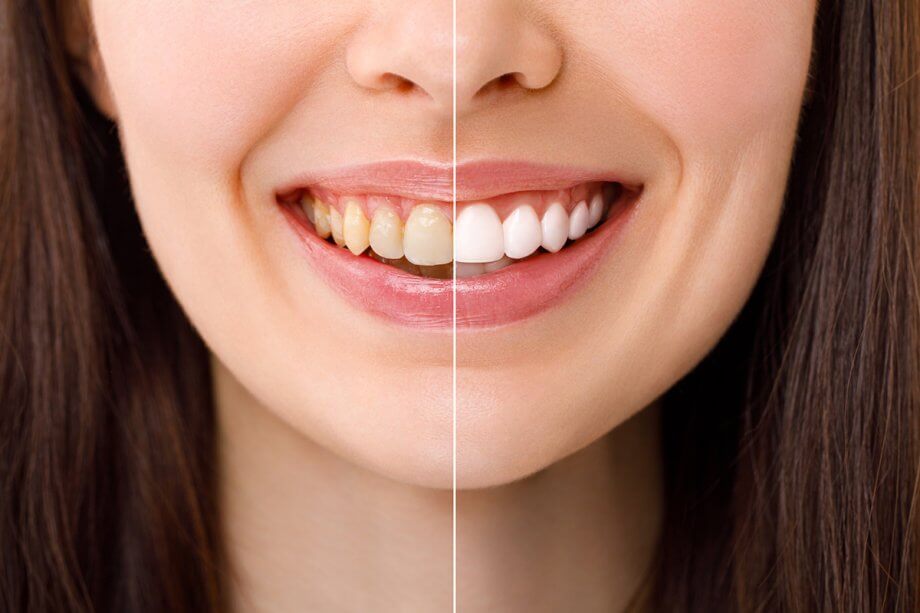
A bright, white smile can make a big difference in how confident you feel, whether you are heading into a job interview, preparing for a wedding, or simply smiling for family photos. With so many whitening products lining store shelves, it is natural to wonder whether a professional teeth whitening treatment is really worth it or whether an at-home kit can deliver the same results.
At Scarsdale Dental Group, we talk with patients about this question all the time. The honest answer is that both approaches can lighten your teeth, but they differ quite a bit in speed, strength, safety, and how long the results last. In this post, we break down how each option works so you can make an informed choice for your smile.
Why Teeth Lose Their Brightness
Before choosing a whitening method, it helps to understand what causes discoloration in the first place. Most stains fall into two categories.
Extrinsic stains sit on the outer surface of the enamel. They come from everyday habits like drinking coffee, tea, red wine, and dark sodas, as well as from smoking or using other tobacco products. These surface stains tend to respond well to whitening.
Intrinsic stains develop within the tooth itself. They can result from aging, as enamel naturally thins and the yellower dentin underneath shows through, or from certain medications, trauma to a tooth, or excess fluoride exposure during childhood. Intrinsic discoloration is often more stubborn and usually needs a stronger, professionally guided approach, or in some cases a cosmetic alternative to whitening altogether.
How Professional Teeth Whitening Works
Professional whitening takes place right in our office under the direct supervision of our dental team. Because we can carefully control the process, we are able to use a whitening gel with a much higher concentration of peroxide than what is available over the counter. This allows us to achieve a noticeably brighter smile in a single visit.
The process typically starts with a quick review of your oral health to make sure your teeth and gums are ready for treatment. Next, we place a protective barrier over your gums and soft tissues so the whitening gel only contacts your teeth. We then apply the gel to the front surfaces of your teeth and allow it to work in timed intervals, checking your comfort and progress along the way. Once the session is complete, we remove the gel, rinse your teeth, and compare your new shade to where you started.
The biggest advantages of professional whitening are speed, strength, and safety. Patients often leave several shades lighter after one appointment, and because a dental professional manages every step, the risk of gum irritation or uneven results is far lower than with do-it-yourself products.
A Closer Look at At-Home Whitening Options
At-home whitening has become extremely popular thanks to its convenience and lower upfront cost. Here are the most common choices we see.
Whitening Toothpaste
Whitening toothpastes use mild abrasives and, in some cases, small amounts of peroxide to polish away surface stains. They can help maintain a bright smile between treatments, but they generally do not change the natural color of your teeth. Think of them as a maintenance tool rather than a true whitening treatment.
Over-the-Counter Strips and Gels
Whitening strips and paint-on gels contain a low concentration of peroxide that gradually lightens teeth over a period of days or weeks. Many people see modest improvement, but because strips are made in one standard size, they may not cover every tooth evenly. This can lead to blotchy results, especially around the edges of teeth or in crowded areas. The gel can also come into contact with the gums and cause irritation.
Store-Bought Trays and LED Kits
Boil-and-bite trays and light-activated kits promise faster results, but the trays rarely fit snugly. Loose trays allow whitening gel to leak onto the gums and get swallowed, while also reducing how well the gel contacts your teeth.
Dentist-Provided Custom Trays
Custom take-home trays offer a middle ground. They are made from impressions of your teeth, so they fit precisely, and they are paired with a professional-grade gel that is stronger than retail products but gentle enough for home use. Because a dentist oversees the treatment plan, this option tends to produce more even and predictable results than over-the-counter kits.
Comparing Professional and At-Home Whitening
When patients ask us which option is better, we usually walk through a few key factors.
Speed of results. Professional whitening delivers dramatic change in one visit. At-home products work slowly, often requiring daily use for two weeks or longer before you notice a meaningful difference.
Strength and effectiveness. Higher-strength professional gels can address deeper and more stubborn stains. Over-the-counter products are best suited for mild surface discoloration.
Safety and comfort. Some tooth sensitivity is common with any whitening method. In our office, we protect your gums, monitor your comfort throughout the session, and can recommend desensitizing products afterward. With store-bought kits, there is no professional oversight, and overuse can lead to irritated gums, increased sensitivity, or uneven color.
Consistency. Because we evaluate your teeth before treatment and apply the gel precisely, professional whitening tends to produce a uniform shade. Ill-fitting strips and trays are more likely to leave patchy spots.
Cost over time. At-home kits cost less upfront, but many people end up buying several boxes while chasing results. Professional whitening involves a larger initial investment, yet it often produces brighter, longer-lasting results that can be maintained with occasional touch-ups.
Who Is a Good Candidate for Whitening?
Most adults with healthy teeth and gums are good candidates for whitening. However, there are a few situations where we may recommend a different approach.
Whitening gel only works on natural tooth enamel. Crowns, veneers, bonding, and fillings will not change color, so whitening can leave them looking mismatched next to newly brightened teeth. If you have visible restorations, we can help you plan treatment so everything blends naturally.
We also recommend addressing cavities, gum disease, or worn enamel before whitening, since peroxide can irritate these areas. For patients with severe intrinsic stains that do not respond well to bleaching, cosmetic options such as veneers or bonding may provide a more satisfying result. Pregnant or nursing patients are generally advised to postpone whitening until a later time.
Finding the Right Path to a Brighter Smile
Both professional and at-home whitening have their place. If you want fast, dramatic, and even results with expert oversight, professional whitening is usually the best choice. If you are looking to maintain your results or tackle very light surface stains, at-home products can play a helpful supporting role.
The most important step is starting with a conversation. When we evaluate your teeth, review the cause of your discoloration, and learn about your goals, we can recommend the approach that will give you the brightest, healthiest smile possible. Our goal is to help you feel proud every time you smile.
Frequently Asked Questions About Professional Teeth Whitening vs At-Home Options
How long do professional teeth whitening results last?
Results vary from person to person, but professional whitening often lasts from several months to a few years. Limiting dark beverages, avoiding tobacco, brushing and flossing daily, and keeping up with regular cleanings will help your smile stay bright longer.
Does teeth whitening damage enamel?
When used as directed, whitening is considered safe for tooth enamel. Problems are more likely when over-the-counter products are overused or applied incorrectly, which is one reason we recommend professional guidance.
Why are my teeth sensitive after whitening?
Temporary sensitivity is a common side effect because peroxide can briefly irritate the nerves inside the teeth. It usually fades within a day or two. Using a toothpaste for sensitive teeth and avoiding very hot or cold foods can help in the meantime.
Can I use at-home products after professional whitening?
Yes. Many patients use whitening toothpaste or occasional touch-up treatments to maintain their results. We recommend checking with your dentist first so you do not overdo it and cause unnecessary sensitivity.
Will whitening work on my crowns or veneers?
No. Whitening only affects natural tooth enamel, so crowns, veneers, bonding, and fillings will keep their original shade. If you have restorations in your smile zone, we can help you plan a treatment that keeps your smile looking even and natural.
For more than 70 years, Scarsdale Dental Group has provided comprehensive, cosmetic, restorative, and implant dentistry to patients of all ages in Scarsdale, NY and throughout Westchester. If you are ready to brighten your smile with professional teeth whitening, contact us today to schedule your appointment.