
If you are considering dental implants, it is normal to wonder how much discomfort is involved. Many patients hesitate to move forward because they fear the procedure may be painful or difficult to recover from. The good news is that modern dental technology and advanced treatment planning have made dental implants more comfortable than most people expect.
At Scarsdale Dental Group, patients receive individualized care designed to make the process as smooth as possible. Whether you are replacing a single tooth or multiple missing teeth, understanding what happens before, during, and after the procedure can help you feel more confident about your decision. Dental implants not only restore your smile, but they can also improve your ability to eat, speak, and maintain long-term oral health.
What Happens During the Dental Implant Procedure?
Dental implants are titanium posts that are placed into the jawbone to replace missing tooth roots. Once healed, the implants provide a strong foundation for crowns, bridges, or dentures. At Scarsdale Dental Group, the treatment process includes advanced 3-D scanning and virtual treatment planning to ensure precise implant placement and long-lasting results.
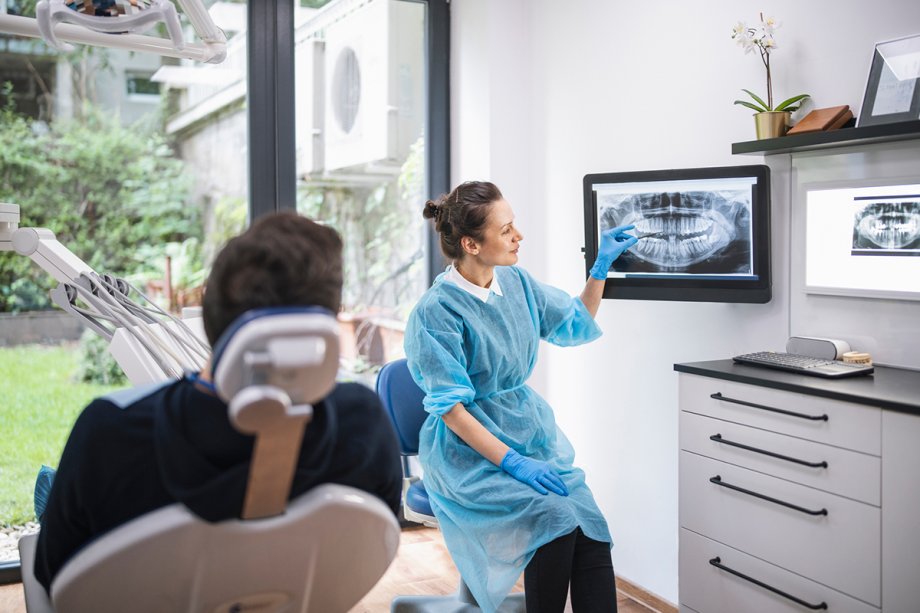
Before the procedure begins, your dentist will evaluate your oral health, jawbone density, and overall treatment goals. This planning stage helps determine the ideal location and positioning for the implant. Patients who have experienced bone loss may require additional procedures such as bone grafting before implant placement.
During the surgery itself, local anesthesia is used to numb the treatment area. Most patients report feeling pressure during the procedure rather than pain. Because the area is fully numbed, the actual implant placement is generally more comfortable than many routine dental treatments. Some patients may also choose sedation options if they experience dental anxiety.
The procedure length depends on how many implants are being placed. A single implant can often be completed in about an hour, while full-mouth restoration procedures may take longer. In many cases, patients are surprised by how manageable the experience feels compared to their expectations.
Are Dental Implants Painful After Surgery?
After the anesthesia wears off, it is common to experience mild soreness, swelling, and tenderness around the implant site. However, most patients describe the discomfort as manageable and similar to what they would expect after a tooth extraction. Over-the-counter pain relievers or prescribed medication are usually enough to control any temporary discomfort.
Swelling and minor bruising may appear during the first few days after surgery. Applying ice packs and following your dentist’s post-operative instructions can help reduce inflammation and improve comfort. Most patients are able to return to normal daily activities within a day or two.
Eating soft foods is recommended during the initial healing phase. Foods like yogurt, smoothies, soup, mashed potatoes, and eggs can help you stay comfortable while the implant site heals. Patients should also avoid smoking and strenuous physical activity during the early stages of recovery because these habits can interfere with healing.
Healing times vary from patient to patient, but the jawbone typically needs several months to fully fuse with the implant through a process called osseointegration. This step is important because it creates the stable foundation that makes dental implants feel and function like natural teeth.
One reason many patients choose dental implants is because they provide a durable and natural-feeling solution for missing teeth. Unlike removable dentures, implants do not slip or shift while eating or speaking. They also help stimulate the jawbone and prevent bone loss over time.
Tips for a Comfortable Recovery After Dental Implants
A smooth recovery often depends on following the care instructions provided by your dental team. Proper aftercare can minimize discomfort and help ensure successful healing.
First, it is important to maintain good oral hygiene while being gentle around the implant site. Your dentist may recommend a special rinse or provide instructions on how to clean the area safely during healing. Keeping the mouth clean reduces the risk of infection and supports healthy gum tissue.
Second, staying hydrated and eating nutrient-rich foods can help your body heal more efficiently. Soft foods are recommended initially, but patients can gradually return to their regular diet as healing progresses.
Rest also plays an important role in recovery. Taking it easy during the first 24 to 48 hours can help minimize swelling and discomfort. Most patients find that the worst soreness improves significantly within a few days.
Patients should also attend all follow-up appointments so the dental team can monitor healing and confirm that the implant is integrating properly with the jawbone. At Scarsdale Dental Group, treatment plans are customized to each patient’s needs, helping create predictable and comfortable outcomes.
For patients who have been putting off treatment because of fear, learning about the process often helps reduce anxiety. Modern implant dentistry focuses heavily on patient comfort, precision, and long-term success.
Why Dental Implants Are Worth It
While many people focus on the temporary discomfort associated with the procedure, it is important to consider the long-term benefits. Dental implants can improve appearance, chewing ability, speech, and overall oral health. Because implants integrate with the jawbone, they help preserve bone structure and prevent the sunken facial appearance that often develops after tooth loss.
Unlike traditional bridges, implants do not require neighboring healthy teeth to be altered for support. They are designed to function independently while blending naturally with surrounding teeth. With proper care and regular dental visits, implants can last for many years.
Patients who receive dental implants often report increased confidence and improved quality of life. Being able to smile comfortably, enjoy favorite foods, and speak clearly can have a significant impact on daily living.
The procedure itself is far less intimidating than many people imagine. Advances in technology, guided implant placement, and personalized treatment planning continue to make implant dentistry safer, more efficient, and more comfortable for patients.
Understanding the Long-Term Benefits of Dental Implants
Dental implants are one of the most effective solutions for replacing missing teeth, and the procedure is generally much more comfortable than patients expect. While mild soreness and swelling are normal during recovery, modern techniques and careful treatment planning help make the process manageable and predictable. At Scarsdale Dental Group, patients receive personalized care focused on comfort, precision, and long-term results. If you are considering tooth replacement options, scheduling a consultation can help you learn whether dental implants are right for you.
Frequently Asked Questions About Dental Implants
How long does it take to recover from dental implant surgery?
Most patients return to normal activities within 1 to 2 days after surgery. Minor swelling and soreness usually improve within a few days, while full healing and integration with the jawbone may take several months.
Are dental implants safer than dentures or bridges?
Dental implants are considered a highly reliable and long-lasting tooth replacement option. They help preserve jawbone health, do not rely on neighboring teeth for support, and provide greater stability than removable dentures.
Can I go back to work after getting dental implants?
Many patients are able to return to work or normal daily activities within 24 to 48 hours after the procedure. Recovery times can vary depending on the number of implants placed and whether additional treatments were performed.
How do I care for dental implants after they heal?
Dental implants should be cared for just like natural teeth. Brushing, flossing, regular dental cleanings, and routine checkups help keep the implants and surrounding gums healthy for long-term success.
Who is a good candidate for dental implants?
Most healthy adults with missing teeth may qualify for dental implants. Ideal candidates should have healthy gums and enough jawbone support, although bone grafting may help some patients become eligible for treatment.
At Scarsdale Dental Group, we are committed to helping patients restore healthy, confident smiles through personalized dental care and advanced treatment options. Our team uses modern technology and individualized treatment planning to provide comfortable, lasting results for every patient. Whether you are replacing one tooth or several, we are here to guide you through every step of the process. Contact us today to schedule a consultation.