
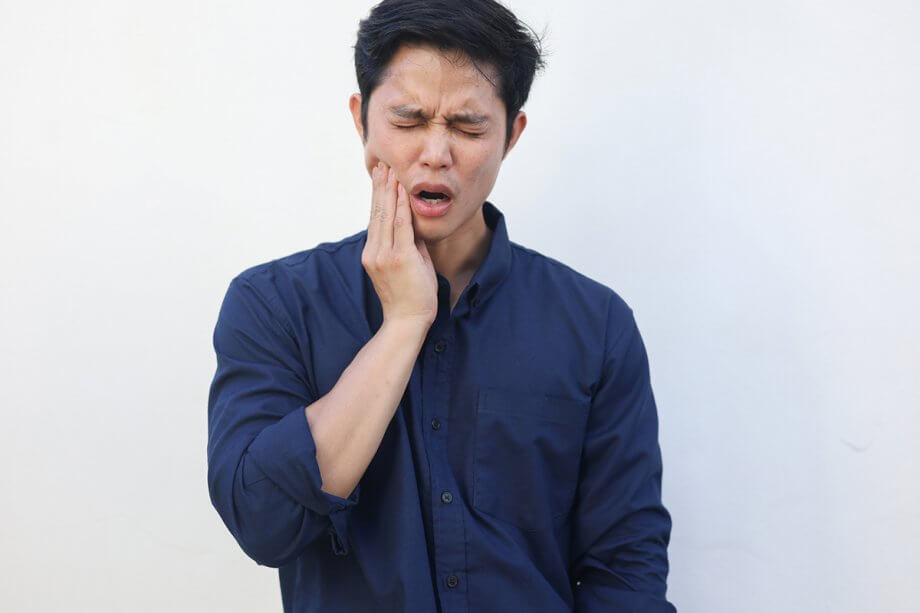
Jaw pain, headaches, clicking sounds, and difficulty chewing can all point to a temporomandibular joint (TMJ) disorder, often referred to as TMD. These symptoms can range from mildly annoying to significantly disruptive, affecting your ability to eat, speak, and enjoy daily life. If you're considering treatment, one of the first questions you may have is, "How much does TMJ treatment cost?"
The answer depends on several factors because TMJ disorders are not the same for every patient. The cause of your symptoms, the severity of your condition, and the type of treatment recommended all play a role in determining the overall investment. At Scarsdale Dental Group, every patient receives a personalized evaluation to identify the source of their discomfort and develop a treatment plan designed to provide lasting relief through conservative, customized care whenever possible.
Why TMJ Treatment Costs Can Vary
Unlike a routine dental procedure with a standard fee, TMJ treatment is highly individualized. The temporomandibular joints are complex structures involving muscles, ligaments, teeth, and jaw alignment. Because several different issues can contribute to TMJ symptoms, treatment begins with identifying the underlying cause.
Some patients have symptoms caused primarily by nighttime teeth grinding or jaw clenching. Others may have bite misalignment, muscle tension, arthritis, previous injuries, or inflammation within the joint itself. The treatment recommended depends on these findings.
Your overall cost may be influenced by factors such as:
- The complexity of your diagnosis
- Whether imaging or additional diagnostics are needed
- The severity and duration of your symptoms
- The type of treatment recommended
- Whether multiple therapies are combined
- The length of follow-up care
A personalized examination helps determine which approach offers the best chance for long-term improvement rather than simply treating the symptoms.
The Initial Evaluation
The first step in TMJ treatment is a comprehensive examination. During your visit, your dentist will review your symptoms, examine your jaw movement, evaluate your bite, and look for signs of tooth wear caused by grinding or clenching. Depending on your condition, digital imaging or other diagnostic tests may also be recommended to better understand the health of your jaw joints.
This evaluation is an important part of treatment because accurate diagnosis prevents unnecessary procedures and helps ensure that the recommended therapy addresses the true source of your discomfort.
Conservative Treatments Often Offer Excellent Value
Many patients are surprised to learn that surgery is rarely the first recommendation for TMJ disorders. Most patients respond well to conservative therapies that are designed to reduce stress on the jaw joint while allowing irritated tissues to heal.
One of the most common treatments is a custom-made occlusal splint or bite appliance. Unlike over-the-counter mouthguards, these appliances are designed specifically for your bite and help reduce muscle tension, protect teeth from grinding, and improve jaw positioning. Scarsdale Dental Group frequently recommends customized bite appliances as part of conservative TMJ treatment.
While a custom appliance represents an upfront investment, many patients find that it provides significant long-term value by reducing pain, protecting their teeth from further wear, and minimizing future dental complications caused by chronic grinding.
Additional Therapies That May Affect Pricing
Depending on your diagnosis, your dentist may recommend combining multiple treatments to improve your results.
These may include:
- Bite adjustment when appropriate
- Stress reduction techniques
- Jaw exercises
- Muscle relaxation strategies
- Short-term medications prescribed to reduce inflammation or muscle spasms
- Ongoing monitoring of your progress
Each patient's treatment plan is customized according to their needs, so pricing naturally varies from one individual to another.
In more complex cases where conservative care does not provide adequate relief, referral to a medical or surgical specialist may be appropriate. Fortunately, many patients experience improvement with non-surgical approaches.
How Symptom Severity Influences Cost
Patients who seek care early often require less extensive treatment than those who wait until symptoms have become severe.
Mild symptoms may include occasional jaw soreness or intermittent clicking. Moderate cases often involve more frequent pain, headaches, muscle fatigue, or limited jaw movement. Advanced cases may involve chronic inflammation, significant bite problems, or joint damage that requires more comprehensive care.
Seeking treatment early can potentially reduce both the duration and overall cost of treatment while preventing additional complications.
Insurance Coverage for TMJ Treatment
Insurance coverage for TMJ treatment varies considerably between dental and medical plans.
Some insurance plans help cover examinations, diagnostic imaging, or custom oral appliances. Others may provide little or no coverage for certain aspects of treatment. Because every insurance policy differs, it's important to review your benefits before beginning care.
An experienced dental office can often help explain your available benefits and discuss payment options so you have a better understanding of your expected costs before treatment begins.
Why Customized Appliances Cost More Than Store-Bought Guards
Patients sometimes wonder why they cannot simply purchase an over-the-counter nightguard instead of investing in a custom appliance.
Store-bought guards are designed to fit a wide variety of mouths and do not account for your unique bite relationship or jaw position. An improperly fitting appliance may fail to relieve symptoms and, in some cases, could even make them worse.
Custom appliances are fabricated specifically for your teeth and bite after careful evaluation. They are designed to provide greater comfort, improve muscle relaxation, and better support your long-term treatment goals. This personalized approach often makes them a more effective solution for TMJ management.
Long-Term Value Matters More Than Initial Price
When comparing treatment costs, it's helpful to think beyond the immediate expense.
Untreated TMJ disorders can contribute to:
- Progressive tooth wear
- Cracked or fractured teeth
- Chronic headaches
- Neck and facial pain
- Difficulty chewing
- Sleep disruption
- Additional restorative dental treatment
Investing in appropriate care today may help reduce future dental expenses while improving your comfort and quality of life.
Rather than focusing solely on the initial price, many patients find greater value in a treatment plan that addresses the root cause of their symptoms and helps protect their long-term oral health.
Choosing an Experienced TMJ Provider
Experience plays an important role in successful TMJ treatment. Because jaw pain can have multiple causes, proper diagnosis is essential.
Scarsdale Dental Group has been helping patients with TMD and TMJ symptoms for decades, creating individualized treatment plans that emphasize conservative care whenever appropriate. Their team carefully evaluates each patient's condition before recommending customized therapies designed to relieve pain, reduce muscle tension, and improve overall jaw function.
Working with an experienced provider also helps ensure that you receive only the treatment you truly need, avoiding unnecessary procedures while improving your chances of long-term success.
Investing in Your Comfort and Oral Health
The cost of TMJ treatment depends on far more than a single price tag. Your diagnosis, symptoms, treatment recommendations, and long-term goals all influence the overall investment. The good news is that many patients experience significant relief through conservative, customized treatment plans. If you're experiencing jaw pain, headaches, or other TMJ symptoms, scheduling a comprehensive evaluation is the best way to understand both your treatment options and the costs involved.
Frequently Asked Questions About TMJ Treatment
Is TMJ treatment worth the cost?
For many patients, yes. Effective treatment can relieve chronic pain, improve jaw function, reduce headaches, protect teeth from grinding damage, and improve overall quality of life.
How long does TMJ treatment usually take?
Treatment timelines vary depending on the severity of your condition. Some patients notice improvement within a few weeks of wearing a custom appliance, while others benefit from longer-term therapy and periodic adjustments.
Will I need surgery for TMJ?
Most patients do not. Conservative treatments such as custom bite appliances, muscle relaxation techniques, and medication are often effective before surgical options are considered.
Can stress make TMJ symptoms worse?
Yes. Stress often contributes to jaw clenching and teeth grinding, which can place additional strain on the temporomandibular joints. Managing stress alongside dental treatment can improve overall results.
Does teeth grinding always mean I have TMJ?
Not necessarily. Teeth grinding is a common contributor to TMJ disorders, but not everyone who grinds their teeth develops TMJ symptoms. A comprehensive evaluation can determine whether your symptoms are related to jaw joint dysfunction.
At Scarsdale Dental Group, we have proudly served the Westchester community for more than 70 years with personalized, comprehensive dental care. We work closely with every patient to develop customized treatment plans that support lasting comfort, function, and oral health. Contact us today to schedule a consultation.